We tend to forget about the earlier versions of ourselves, the person who wondered what life would look like years later. However, hearing others share their stories has a way of bringing those old thoughts back to the surface.
At Job Duck, we work closely with people from different countries and backgrounds. Because of that, we often hear personal stories that remind us why people choose the lives they do. Moreover, these stories show how work can become more than a job when the environment supports who you are.
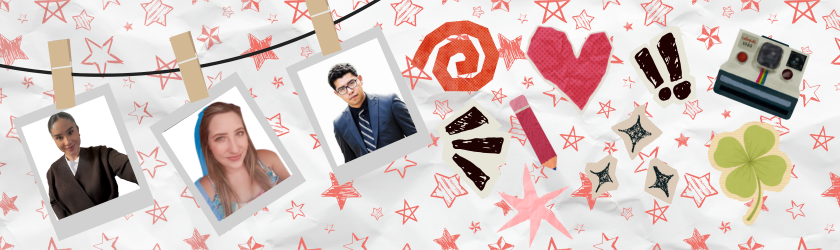
This blog focuses on three of our team members as they discuss who they wanted to become and whether they have accomplished those dreams. This read offers a reminder that careers are connected to the kind of life someone hopes to build.
1. When you were younger, what did you want your life to look like?
Danica:
“I always paid attention to people. I did not understand why. I just did. If someone looked down, I felt it. If someone needed support, I stepped in. I did not have a dream job. In fact, the only thing I knew was that I wanted to help people. When Psychology showed up in high school, it felt like someone finally explained me to myself.”
Filipe:
“I grew up watching my dad leave before sunrise and come back after dark. It became normal, but I did not want that for myself. I wanted work and family to be tied into the same life, not separated. As a result, I kept thinking that if I studied something useful, something flexible, I could break that pattern.”
Carolina:
“I drew everywhere. I drew on notebooks, random pages, anything really. Honestly, I did not think about careers. I just liked creating things. That was it. However, I always hoped that whatever I did as an adult would not take that away from me.”
2. How does your life today compare to that idea?
Danica:
“It is close. I talk to people all day. I guide them, and I help them grow. It is not as dramatic as you expect when you are younger. It is real life. Small conversations. Those are the ones that matter.”
Filipe:
“It is almost exactly what I wanted. Remote work changed everything. I can be present at home and still take my job seriously. It took time, but looking at it now, yes, this is what I hoped for.”
Carolina:
“My work lines up with who I have always been. Graphic design lets me create every day. No two days look the same. I get to finish something and think, ‘I made that.’ That still feels good.”
3. What would your younger self say about the life you have now?
Danica:
“She would probably look at me and say, ‘You stuck with it.’ She would see someone who did not lose that instinct to help people. She would be proud. And honestly, for that reason, I think she would feel relieved.”
Filipe:
“He would stare for a second. Then he would nod. He would see the work behind everything. The decisions. Language learning. And the long nights. He would know it was not luck. Above all, he would be proud of that.”
Carolina:
“She would smile immediately. No hesitation. She would see that I did not walk away from what I loved. She would see that the creative part of me made it through. As a result, she would feel safe knowing that.”
4. What part of your current work life makes you happiest or most grateful?
Danica:
“Working from home. Easy answer. I get to be there for my daughter. Not just on weekends. Not just at night. I am there. I can pick her up from school and still grow in my career. That means everything to me.”
Filipe:
“Great question. There are many things I could mention. However, my team stands out the most. I work with people from all over the world. Everyone fights to be here. Everyone works hard. Overall, being surrounded by that kind of energy pushes me and keeps me focused.”
Carolina:
“The balance. I get to be with my son, and I get to design. I do not feel like I have to choose. When I finish a project, and my son is playing next to me, that is the kind of life I hoped for.”
5. What is one thing you have learned about success or happiness as an adult?
Danica:
“Comparing yourself to other people destroys your peace. I do not do that anymore. I move at my pace, and I trust the timing. It is not always fast, but it feels right.”
Filipe:
“Rushing makes everything worse. I put in plenty of effort, but I do not force things. Life feels better when I let things develop instead of chasing every goal at full speed.”
Carolina:
“Time with family hits deeper than anything else. Work matters. Growth matters. But being present with the people I love is what keeps everything in place.”
Conclusion
In conclusion, the stories from Danica, Filipe, and Carolina point in the same direction. Each team member describes work that leaves room for family, rest, and personal growth. The details differ; however, the need is shared: a career that does not erase the rest of life.
At Job Duck, that kind of life becomes practical instead of theoretical. Remote work allows team members to join meetings, handle tasks, and still be present for school runs, meals, or quick conversations at home. Moreover, clear expectations and organized teams make it easier to focus during the workday and step away at the end of the day. Because of these reasons, many professionals transition to a remote career.
With that said, if you recognize your own hopes in these stories, ignoring that feeling may not make sense. The next step remains straightforward. We encourage you to take a careful look at our current openings and consider applying today. It may be the point where your story starts to change.